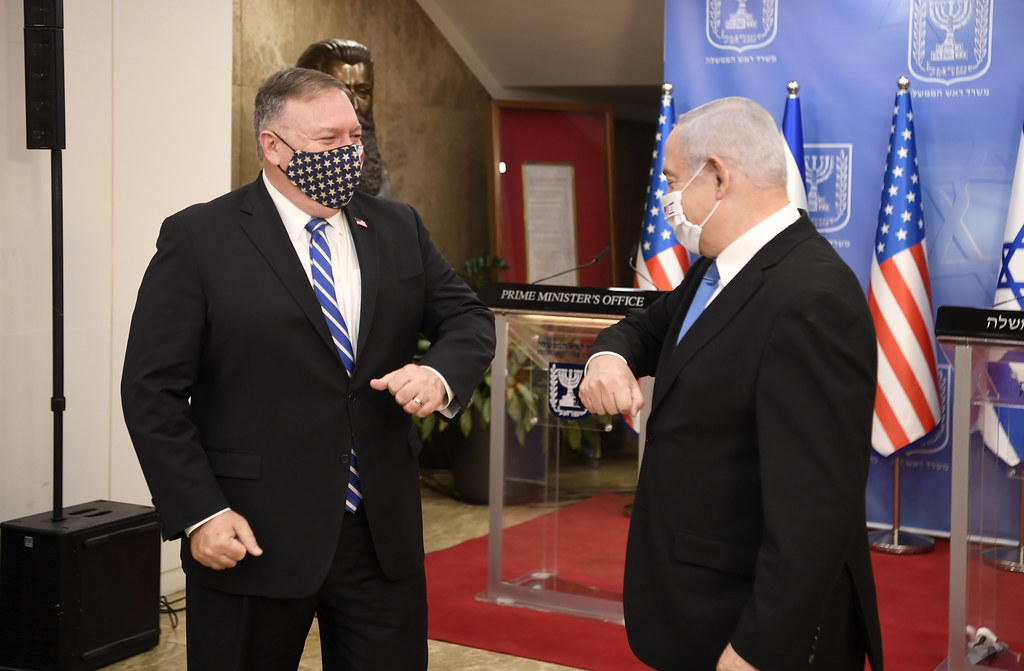
Israeli Prime Minister Benjamin Netanyahu faces growing criticism as his rival Gadi Eisenkot pledges to unify the country and address leadership failures. Eisenkot, a former general, has criticized Netanyahu's handling of security and his perceived weakness toward Iran, following the October 7, 2023 Hamas attack. Netanyahu has responded by painting Eisenkot as soft on security and aligned with Arab interests.
Eisenkot has emphasized the need for national unity and a reevaluation of Netanyahu's leadership. His campaign highlights the failures of the current government, particularly in response to the Hamas attack and the broader security challenges. Netanyahu, meanwhile, has focused on his own security record and the threat posed by Iran, a key issue in the election.
Netanyahu's legal battles and his approach to foreign policy have become central to the campaign. His stance on Iran has been a key part of his messaging, positioning himself as a strong leader in the face of regional threats. Meanwhile, Eisenkot's focus on unity and reform has gained traction among some voters.
The Israeli election campaign has intensified amid ongoing tensions with Iran and the aftermath of the Hamas attack. Both leaders are using the issue of security and leadership to appeal to different segments of the electorate. The outcome could shape Israel's approach to regional conflicts and domestic governance.