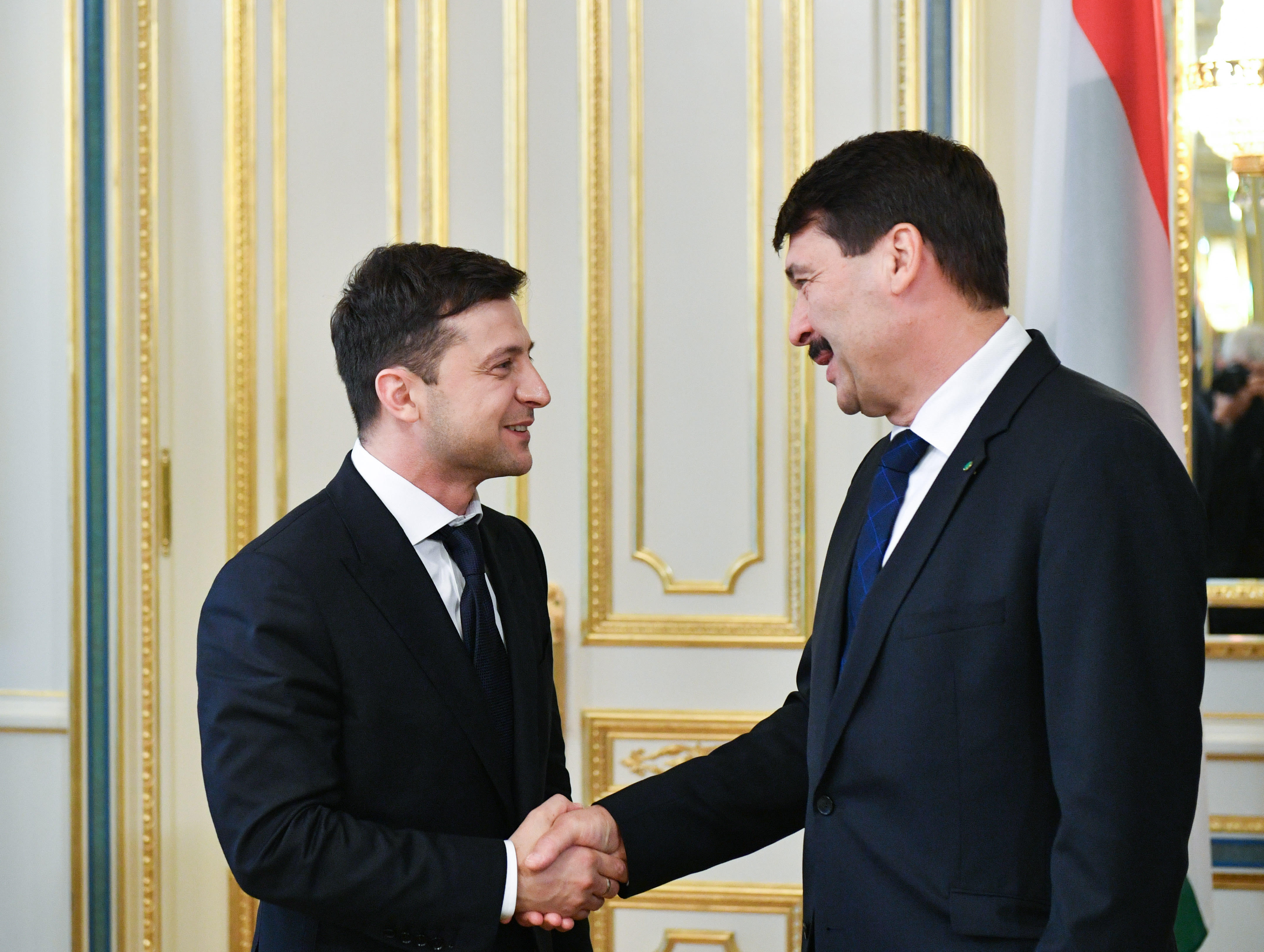
Ukrainian President Volodymyr Zelenskyy denied claims that Russia and Ukraine had agreed to an energy ceasefire, stating that Russian forces had attacked multiple power plants in the country. The attacks, including one in Kyiv and another in Kharkiv, caused widespread power outages and drew public outrage. Zelenskyy emphasized that the alleged agreement was not confirmed by either side.
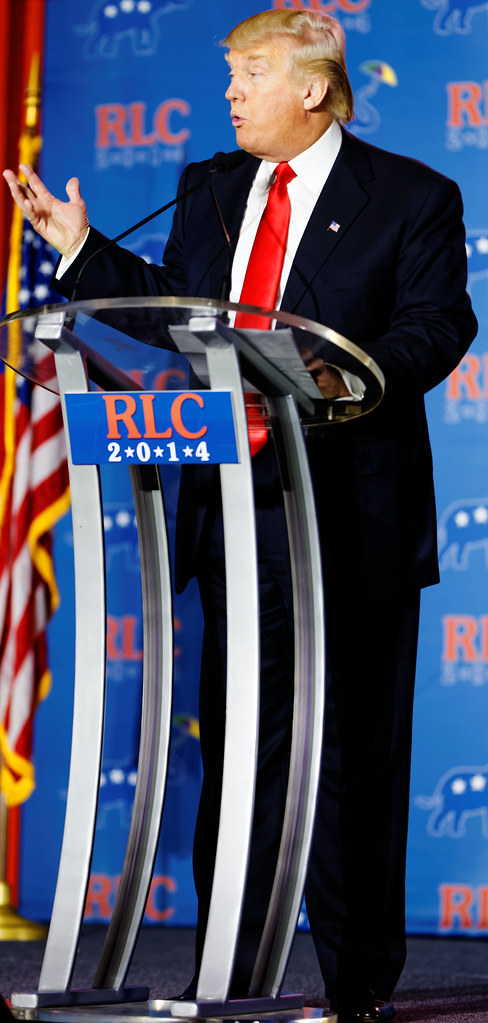
U.S. President Donald Trump announced an “energy ceasefire” between Russia and Ukraine on Sunday, claiming both parties had agreed to halt strikes on energy infrastructure. The statement was made on Trump’s social media platform, Truth Social, without additional details or verification. However, no official confirmation was received from Russian authorities, and Ukrainian officials remained skeptical.
The ceasefire proposal came amid rising fuel prices and political tensions ahead of U.S. Midterm elections. Trump’s announcement was framed as a diplomatic move, but analysts described it as a political stunt. The lack of concrete evidence or communication from either Russia or Ukraine raised doubts about the feasibility of the agreement.
The conflict in Ukraine has seen repeated attacks on critical infrastructure, with Russian forces targeting power stations and other strategic sites. These strikes have disrupted daily life and heightened concerns about the war’s impact on civilians. Despite Trump’s claim, the situation remains volatile, with no immediate signs of a lasting de-escalation.
The proposed ceasefire highlights the growing influence of political rhetoric in conflict zones, where unverified statements can shape public perception without tangible outcomes. As the war continues, the credibility of such claims remains under scrutiny, with both sides maintaining their positions.