The last US troops are set to leave Iraq on September 30, marking the end of a two-decade military presence. The withdrawal, agreed upon between Baghdad and Washington, has sparked mixed reactions across the country. While some view it as a step toward stability, others express concerns over the security vacuum that may emerge. The Kurdistan Region, in particular, has voiced fears about the potential increase in regional instability.
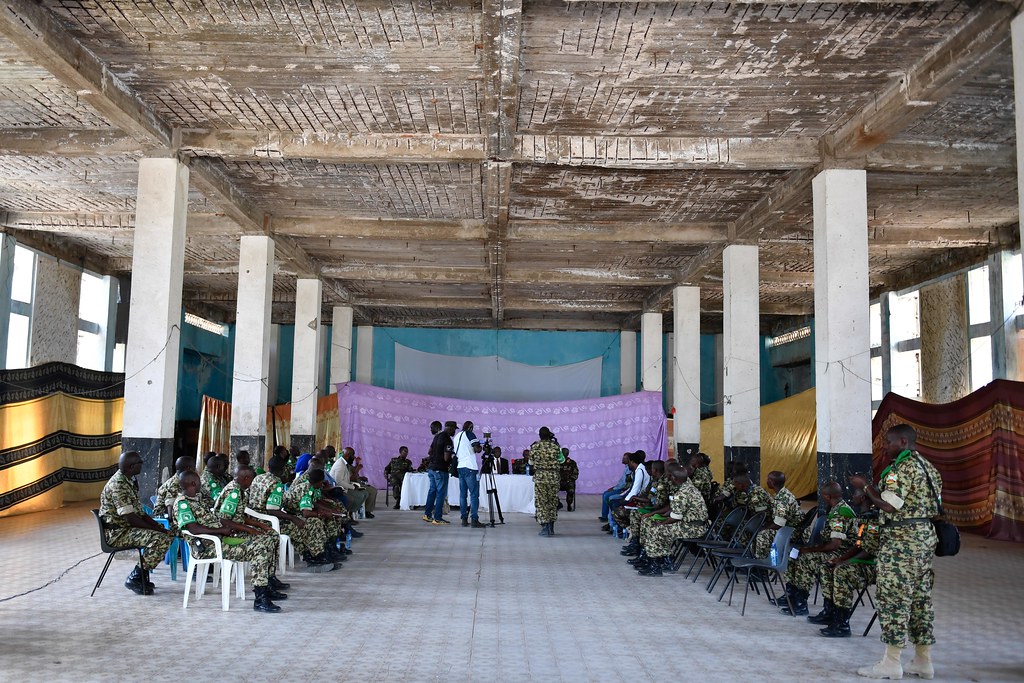
The departure comes as Iran-backed militias celebrate the move, seeing it as an opportunity to strengthen their influence. Meanwhile, Iraq’s security forces are expected to take on a greater role in managing threats, including remnants of Daesh and other armed groups. Analysts warn that the country may struggle to maintain control without continued external support.
The US military’s exit also raises questions about the future of regional alliances and the balance of power in the Middle East. With Iran gaining more leverage, the situation could lead to heightened tensions. As Iraq prepares to assume full responsibility for its security, the coming months will be critical in determining the stability of the region.
The decision to withdraw has been met with both optimism and apprehension, highlighting the complex political and security landscape that remains.