Iranian President Masoud Pezeshkian announced that food shortages are worsening in the country due to economic pressures from the ongoing conflict with the United States. The shift in US strategy toward economic pressure has deepened these challenges.
US intelligence chief Jay Clayton warned that Iranian efforts to target Americans in the Middle East have reached advanced stages. Washington has reduced staffing at four embassies in the region, raising concerns about security. Clayton also mentioned that President Trump is considering renewed military action against Iran.
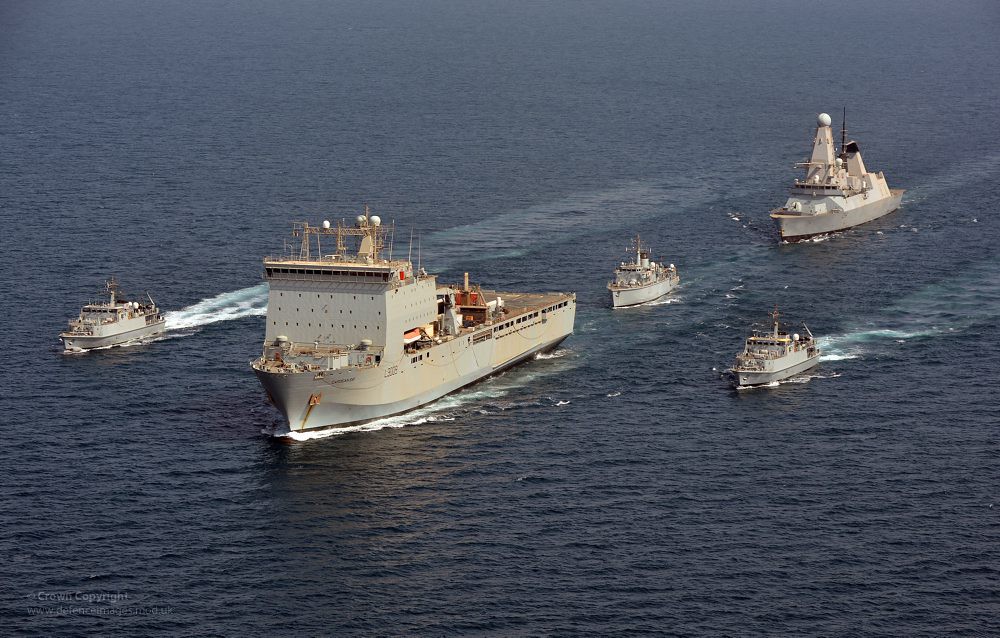
Iranian officials, media, and analysts have expressed a sense that war is approaching, but they have also signaled that Iran will not retreat. Officials have stated that the country will not allow US warships to approach its shores, indicating a firm stance against potential attacks.
The conflict has also raised concerns about global oil prices. Kenyan MP Ndindi Nyoro warned that oil prices could reach their highest level since the start of the Iran crisis, potentially leading to further fuel price increases in Kenya. This suggests that the economic impact of the conflict is spreading beyond the region.
The situation reflects a deepening crisis between Iran and the United States, with both sides increasing their military and economic posturing. The US has warned of Iranian plots, while Iran has threatened to disrupt Gulf internet cables, signaling a potential escalation in the conflict.