President Donald Trump's decision to waive sanctions on Russia just days before they were set to take effect has sparked widespread condemnation from members of Congress. Lawmakers from both major parties expressed outrage over the executive order, which they argue undermines U.S. Support for Ukraine in its ongoing conflict with Russia. The move, which came late Friday, marks another step in Trump's efforts to align the United States more closely with Russia's President Vladimir Putin.
The sanctions, which had been passed by Congress in a bipartisan vote, were intended to hold Russia accountable for its actions in Ukraine. By waiving them, Trump has effectively reversed a key policy decision, drawing sharp criticism from lawmakers who see it as a betrayal of Ukraine. Some lawmakers have called for legal action against the president, while others have warned of potential consequences for national security.
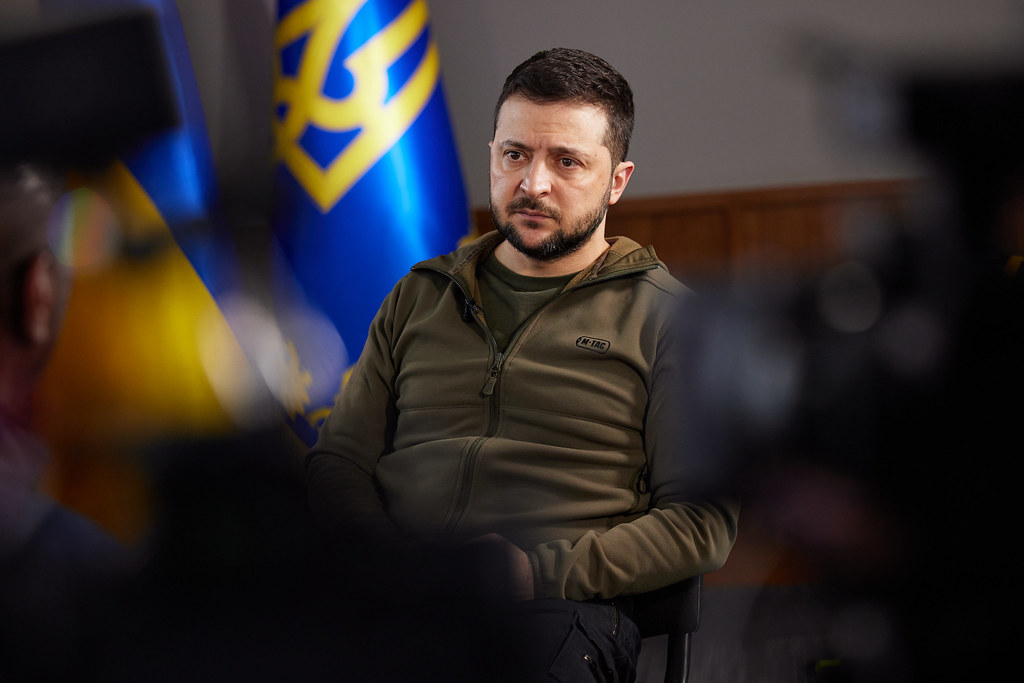
This decision follows a series of actions that have strained U.S.-Ukraine relations. Trump has repeatedly criticized Ukrainian President Volodymyr Zelensky, blaming high energy costs on Ukrainian strikes against Russian infrastructure. His administration has also reportedly disrupted U.S.-provided satellite internet services, further complicating Ukraine's ability to coordinate defense efforts.
The sanctions waiver has also raised concerns about the impact on Ukraine's ability to defend itself. Zelensky has accused Trump of rewarding Putin by lifting restrictions on Russian goods and energy, which could provide Moscow with much-needed resources to sustain its war effort. Analysts warn that the move could embolden Russia and weaken Ukraine's position in the conflict.
This is not the first time Trump has faced backlash for his handling of U.S. Foreign policy. His administration has been criticized for its approach to several international issues, including its response to the pandemic and its handling of trade agreements. The current situation highlights the growing tensions between Trump's foreign policy and the expectations of his allies and adversaries alike.