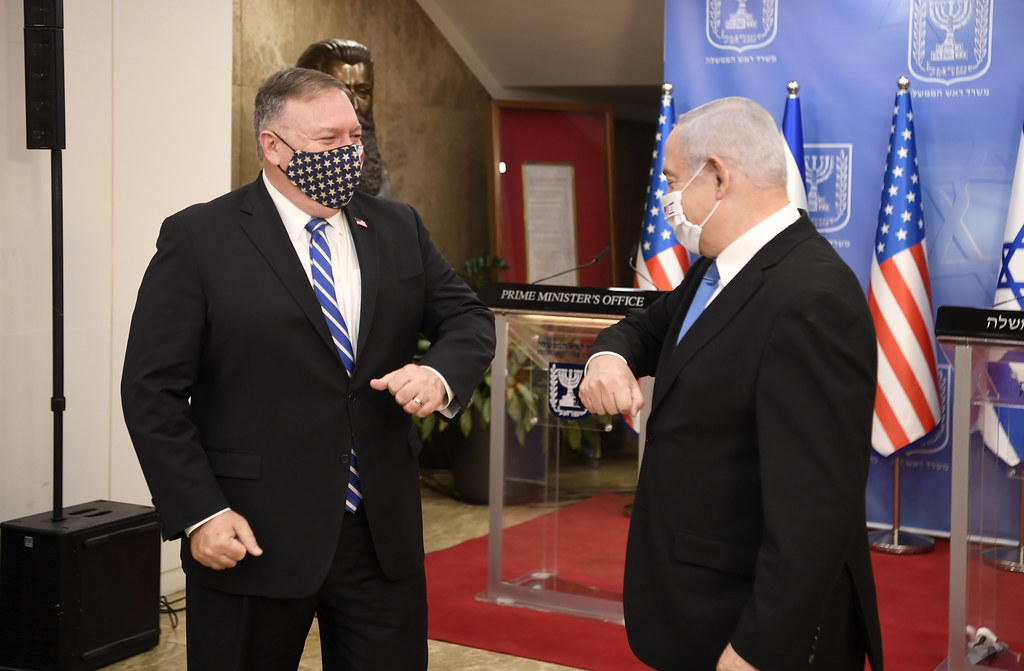
Israeli Prime Minister Benjamin Netanyahu's political survival hinges on the outcome of national elections, which are seen as a pivotal moment for his leadership. The vote, taking place amid heightened political tensions, could determine whether Netanyahu continues in power or faces a significant challenge from centrist and right-wing rivals.
The election is framed as a referendum on Netanyahu's leadership, particularly his handling of the October 7 Hamas attack and subsequent security policies. His far-right alliance faces competition from a predominantly right-wing bloc, while centrist candidates promise a new era of governance. Arab citizens of Israel, who make up 20% of the population, are expected to play a key role, as their traditional low voter turnout may shift in favor of change.
Netanyahu has sought to bolster his campaign with endorsements, including from former U.S. President Donald Trump, who suggested the two leaders could restart hostilities against Iran if Netanyahu wins. This alignment with U.S. Foreign policy has been a strategic move, but it has also drawn criticism from some Israeli and international observers.
The election results will not only shape Israel's political landscape but also influence regional dynamics, particularly in relation to Iran and the broader Middle East. With the outcome still uncertain, the vote represents a critical juncture for Netanyahu and the Israeli political system.