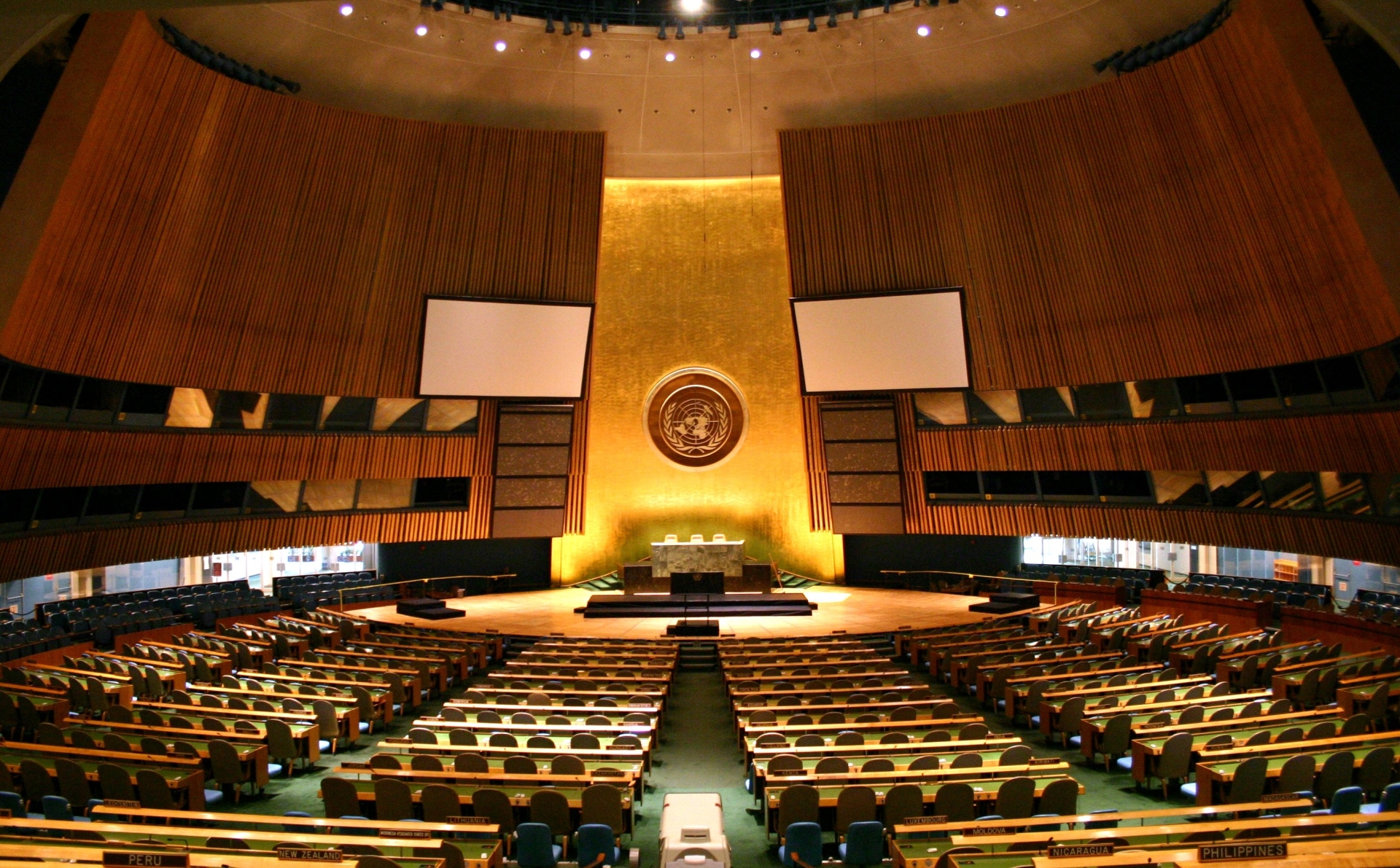
The Senate on Thursday narrowly rejected a war powers resolution aimed at halting President Donald Trump’s military actions in the Iran war, with the vote coming in at 49-50. The decision, made just days after Trump’s controversial address to the United Nations where he threatened to “annihilate” Iran, highlights the growing political tensions surrounding the conflict. Lawmakers had seen this as a final opportunity to formally challenge Trump’s military strategy, which has been increasingly linked to the recent spike in gas prices. The resolution, which sought to limit executive power in foreign conflicts, failed to gain the necessary majority, signaling a divided Congress ahead of the midterm elections.
The rejection of the resolution comes amid rising public concern over the economic impact of the war, particularly on fuel costs. Analysts have pointed to Trump’s policies as a key factor in the surge, with critics arguing that the conflict has exacerbated inflation and strained household budgets. Meanwhile, the White House continues to defend its military actions, framing them as necessary for national security. The outcome of this vote is expected to influence the political landscape as the midterms approach, with the issue of foreign policy and its economic consequences becoming a central campaign topic.
As the debate over the Iran war intensifies, the Senate’s decision underscores the challenges of balancing national security with economic stability. With gas prices continuing to climb, the pressure on lawmakers to address the crisis is mounting. The failure to pass the resolution may further polarize the political environment, setting the stage for more contentious discussions in the coming months. The situation remains closely watched by both domestic and international observers, as the implications of Trump’s foreign policy continue to shape the political and economic landscape.