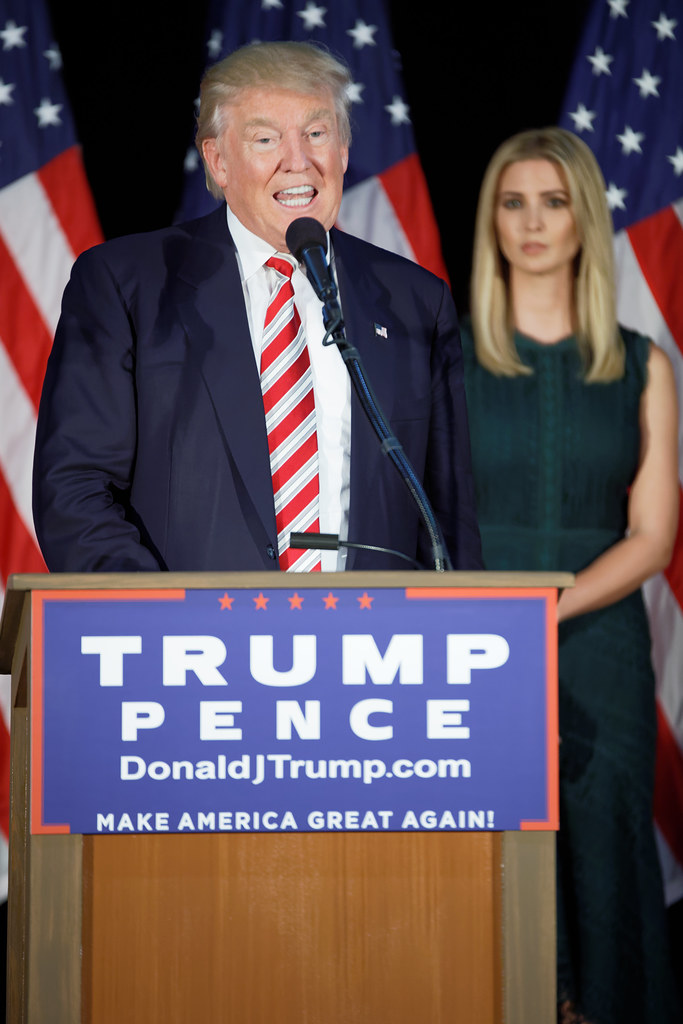
Donald Trump launched an aggressive redistricting strategy in the lead-up to the 2022 midterm elections, aiming to secure favorable voting boundaries for Republican candidates. The effort, which involved significant financial investment and internal party conflict, was designed to counteract the typical Democratic advantage in such elections. However, the strategy proved ineffective as the Democratic Party gained overwhelming control of the House of Representatives.
The redistricting process, known as gerrymandering, was met with strong opposition from Democrats, who accused Trump of attempting to manipulate electoral outcomes. Despite the effort, the results of the midterm elections showed a massive shift toward Democratic candidates, with Republicans losing numerous seats. Some analysts suggest that Trump's redistricting efforts may have inadvertently strengthened Democratic voter turnout and mobilization.
This outcome marks a significant setback for Trump's political strategy. The redistricting initiative, which was part of a broader effort to maintain Republican dominance, failed to achieve its intended effect. The midterm elections also highlighted growing public dissatisfaction with Trump's policies and leadership style, contributing to the Democratic victory.
The redistricting attempt reflects a long-standing political tactic used by Republican leaders to influence election outcomes. However, the 2022 results suggest that such strategies may be less effective in the current political climate. The failure of Trump's redistricting plan underscores the challenges faced by political figures attempting to manipulate electoral boundaries in a highly polarized environment.