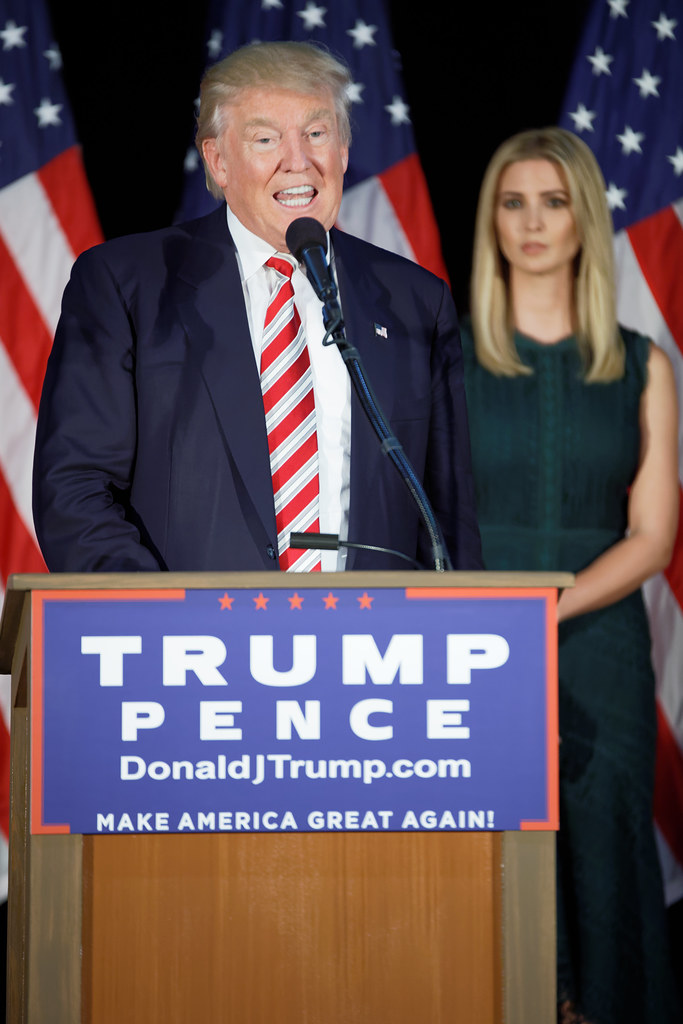
The midterm elections delivered a major blow to President Donald Trump, with Democrats gaining control of both the House and Senate. This shift marks a significant rebuke to Trump's administration, as his Republican Party lost its congressional majority. The outcome has raised concerns about the future of U.S. Foreign policy, particularly regarding its stance on Iran.
Iran's supreme leader warned that the Middle East conflict could expand if the U.S. Continues its military actions. This statement comes amid fears that Trump's weakened position may lead to a more unpredictable foreign policy. The warning suggests that Iran sees no immediate change in Washington's approach, despite the election results.
The defeat has also impacted Trump's political standing, with some analysts questioning his ability to influence the Republican Party moving forward. The Democrats' success has positioned them to challenge Trump's agenda, especially on issues like Iran and trade. Meanwhile, the U.S. Military has reportedly increased its presence in the Middle East, raising tensions with Iran.
This political shift follows a series of strategic moves by Trump, including his 2018 visit to Iran, which aimed to assert American dominance. However, the election results have undermined his foreign policy ambitions. As the U.S. Enters a new political era, the relationship with Iran remains a critical point of contention. The outcome of the midterms has not only reshaped domestic politics but also heightened the risk of further conflict in the region.