The US and Iran conflict has intensified, disrupting oil shipments through the Strait of Hormuz, a critical route for Gulf oil exports. The Asian Development Bank warned that this disruption could worsen inflation, as fuel prices rise due to reduced supply. The conflict began with US and Israeli strikes on Iran in February, escalating tensions in the Middle East.
The war has raised concerns about regional security, prompting leaders from the Middle East to meet with US officials in New York. During these talks, security fears and US military commitments were central topics. Meanwhile, Iran reiterated its conditions for ending the conflict, while Israeli Prime Minister Benjamin Netanyahu rejected French President Emmanuel Macron’s diplomatic efforts.
In another development, Egypt’s state bank is set to acquire UAE branches of Banque Misr, a government-controlled lender, following US sanctions against companies linked to Iran’s shadow banking network. The US has threatened to cut these branches off from the American financial system.
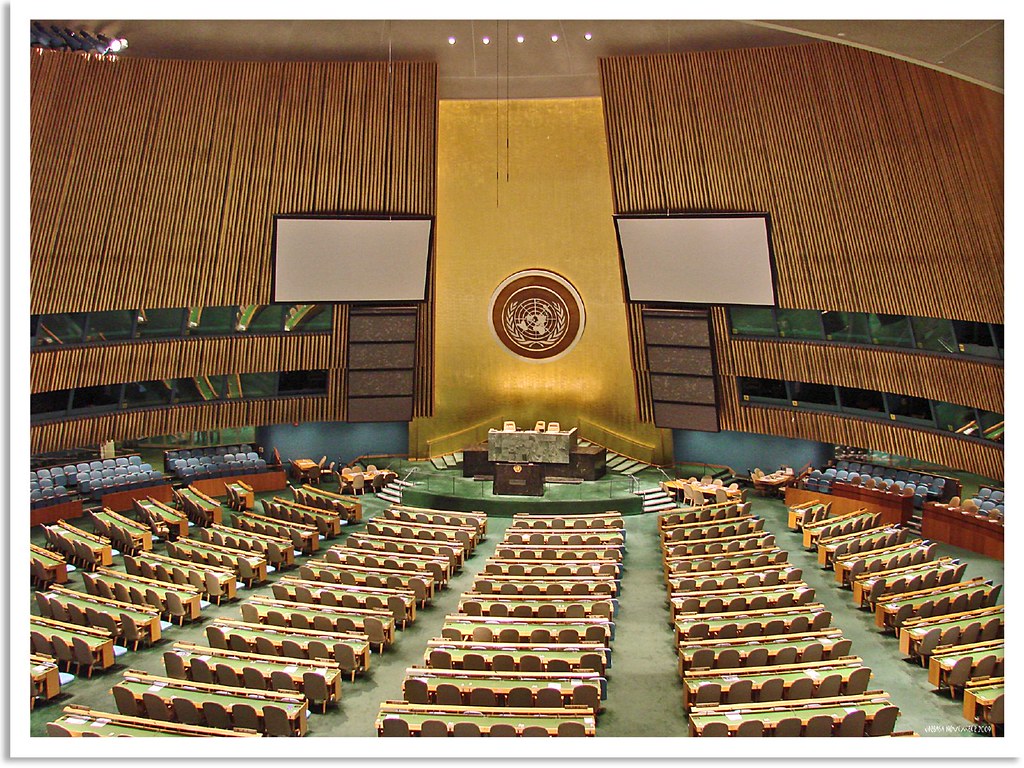
The conflict also dominates the agenda of the UN General Assembly, with AI and the US-Iran war being key topics. The situation remains volatile, with potential long-term economic and geopolitical consequences.