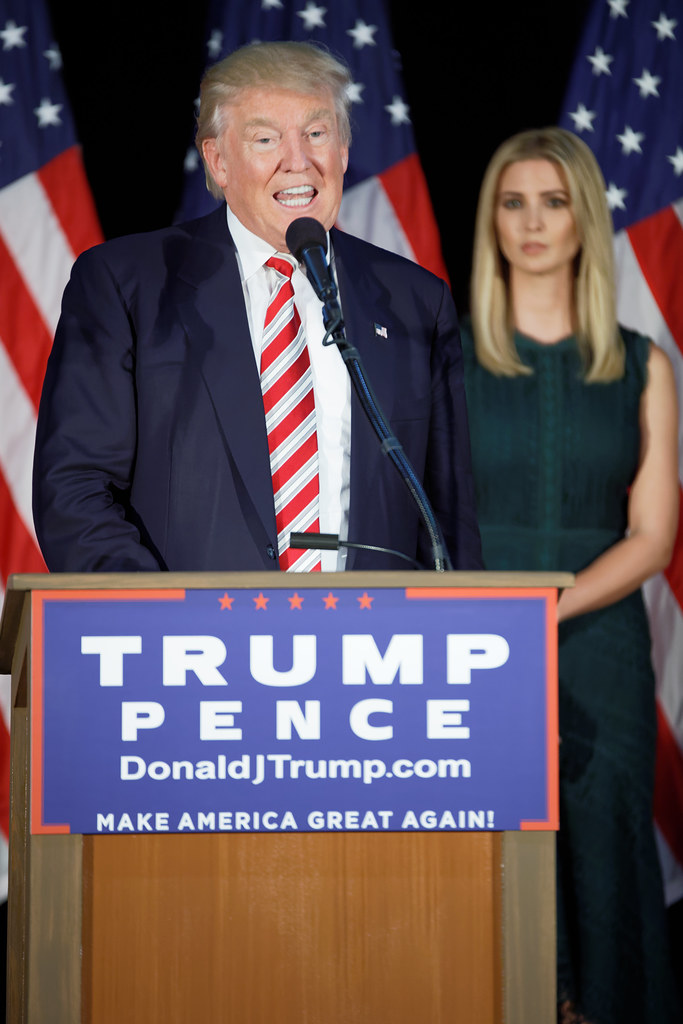
The newly elected Democratic majority in the US Congress has taken control of both chambers, marking a significant shift in the political landscape. This outcome, achieved through a decisive victory in the midterm elections, positions Democrats to influence legislative priorities and oversight in the coming year.
The Democratic sweep has been described as a resounding success by party leaders, who emphasized the importance of this win in shaping policy and holding the executive branch accountable. With control of both the House and Senate, Democrats are poised to block legislation from the previous administration, scrutinize spending on the war in Iran, and challenge agreements with China.
This electoral result follows a broader trend of shifting public sentiment, with voters in key states such as Texas and Kansas supporting Democratic candidates. The outcome has also prompted internal tensions within the Republican Party, with some figures calling for the ouster of Prime Minister Netanyahu in Israel, though this remains a separate political development.
The new Congress will convene in January, with Democrats expected to prioritize human rights and international oversight. This shift underscores the changing dynamics of US governance and the potential for increased legislative scrutiny of executive actions.