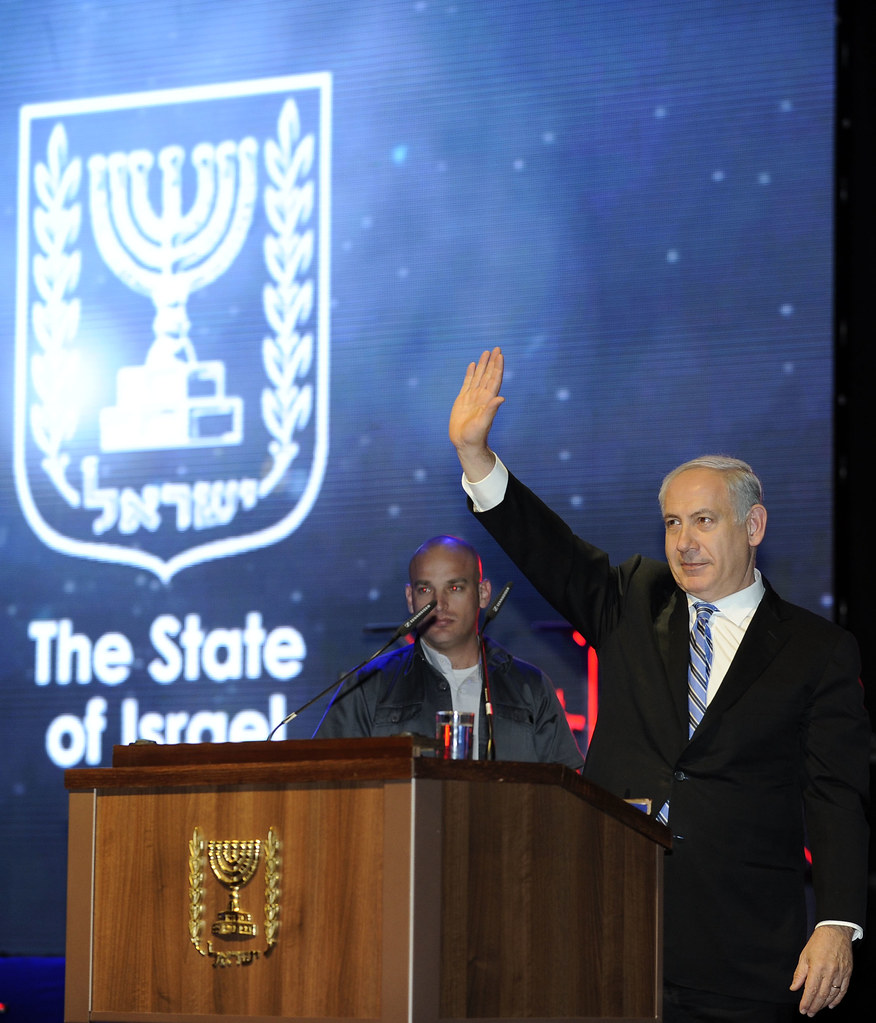
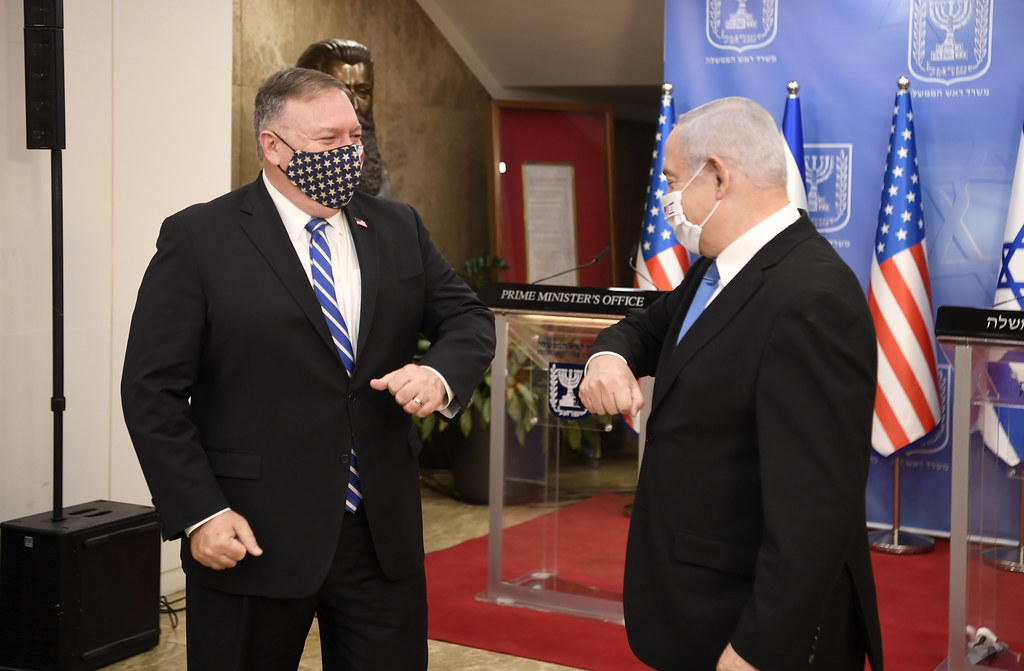
Israeli Prime Minister Benjamin Netanyahu faces an uncertain political future following a closely contested election that has failed to produce a clear winner. With nearly 90% of votes counted, Netanyahu's right-wing bloc holds the lead but remains short of the required majority to form a government. His rival, Gadi Eisenkot, leader of the opposition party Yashar, has also claimed victory, creating a deadlock that could prolong political instability.
Netanyahu's bloc currently holds 53 seats, while Eisenkot's opposition coalition trails with 48 seats. Analysts suggest that Netanyahu may be forced to remain as a caretaker prime minister, operating under legal constraints that limit his ability to make major appointments or take decisive action against Iran. Despite these limitations, his government retains significant influence in matters deemed of public interest.
The election results have sparked heightened tensions, with Netanyahu accusing Arab groups of influencing the outcome in a manner reminiscent of former U.S. President Donald Trump's tactics. These allegations, however, lack substantiation and have drawn criticism from political observers. Meanwhile, Arab parties have seen a surge in support, reflecting growing political influence in the region.
The Israeli electorate has delivered a fragmented result, leaving coalition negotiations critical to determining the next government. With over 500,000 absentee ballots still to be counted, the outcome remains uncertain. The political landscape is now poised for prolonged negotiations, as neither side appears ready to concede. The situation underscores the deepening divisions within Israeli politics and the challenges of forming a stable government in a polarized environment.