One year after a US-brokered ceasefire was supposed to end the Gaza war, tensions remain high with little progress. The Israeli-Palestinian conflict continues despite international efforts.
Israeli forces continue to kill and wound civilians, while denying sufficient food, aid, and water to Palestinians in Gaza. The situation has worsened, with the Health Ministry reporting ongoing Israeli strikes, drone flights, and shelling that disrupt daily life and leave residents in constant fear.
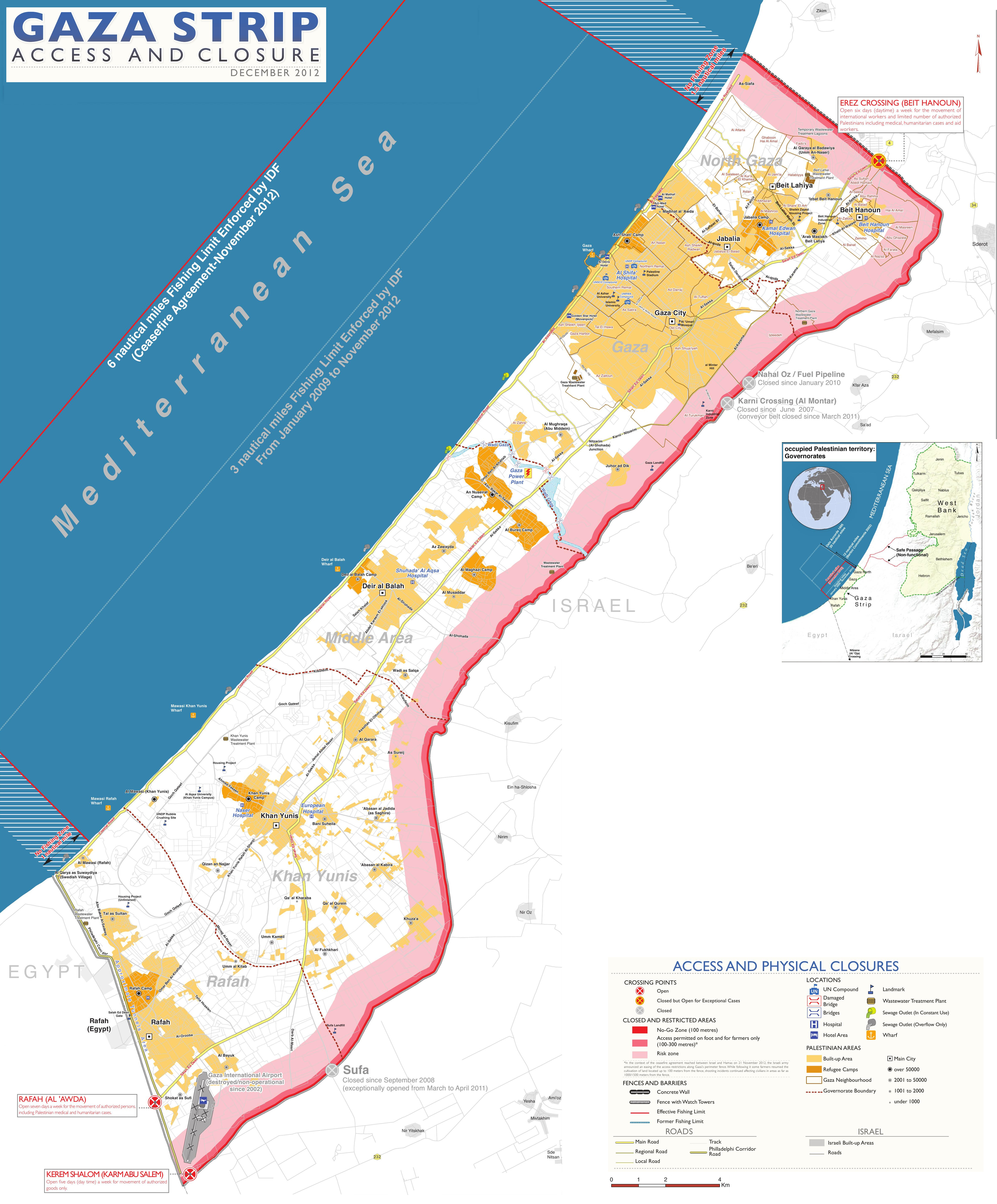
Aid supplies remain insufficient, with about 8,600 emergency shelter kits ready for delivery but unable to enter Gaza due to Israeli authorities blocking their passage at border crossings. The International Organization for Migration (IOM) has secured these kits, but they remain outside the territory.
The ceasefire agreement, which took effect on October 10, 2025, has not led to significant improvements. Palestinians continue to live under the threat of violence, with no clear signs of lasting peace. The international community has made repeated calls for humanitarian access and an end to hostilities, but these have not been fully realized.
The ongoing crisis highlights the challenges of achieving lasting peace in the region. With winter approaching, the need for shelter and basic necessities has become more urgent, yet access remains restricted. The situation underscores the complexity of the conflict and the difficulty of reaching a sustainable resolution.