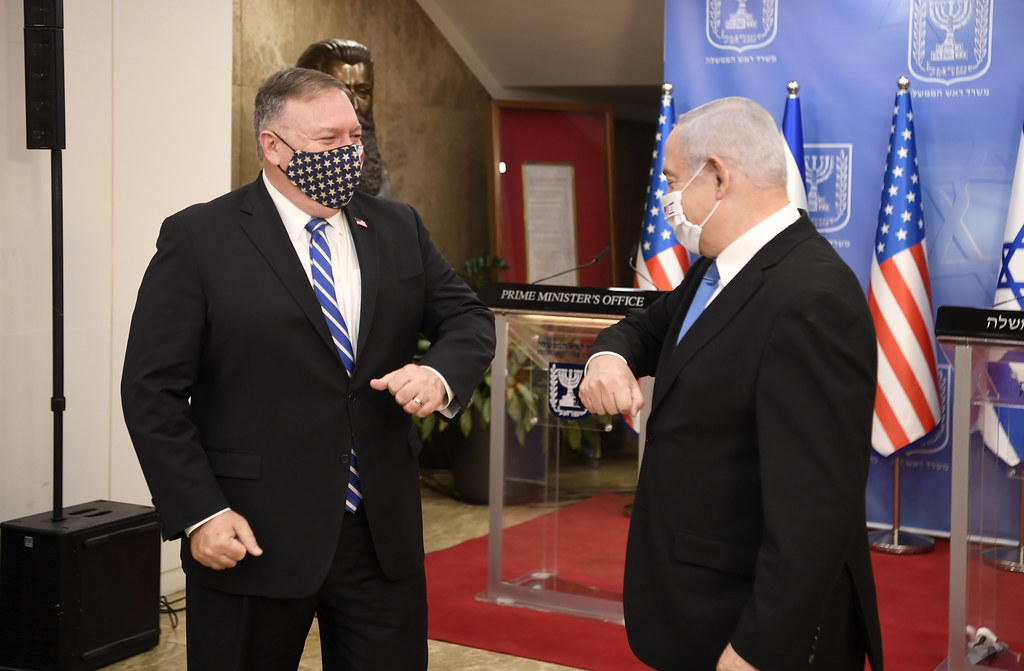
Israeli voters cast their ballots in a closely contested election, with exit polls indicating a deadlock between Prime Minister Benjamin Netanyahu and his main rival Gadi Eisenkot. Both political blocs are projected to secure around 51 seats each, falling short of the 61 needed to form a government. The results, expected to be announced within days, have left Israel in political uncertainty.
Exit polls released by multiple media outlets suggest that neither Netanyahu’s Likud bloc nor Eisenkot’s camp has achieved a clear majority. This outcome has triggered speculation about potential coalition-building efforts or the possibility of a second round of voting. Netanyahu, in a defiant speech, called for a “strong, right-wing” government, emphasizing his commitment to his political agenda.
The election has intensified political tensions, with both leaders vying for leadership. Netanyahu, backed by former U.S. President Donald Trump, faces challenges from Eisenkot, who has gained support from a broader segment of the electorate. Analysts note that the outcome could significantly impact Israel’s foreign policy, particularly regarding its stance on Iran.
This political stalemate follows months of campaigning and public debate. The election has also drawn attention from international observers, including the U.S. And U.K. Who are closely monitoring the developments. With no clear winner emerging, the path forward remains uncertain, and the Israeli public awaits the final results.