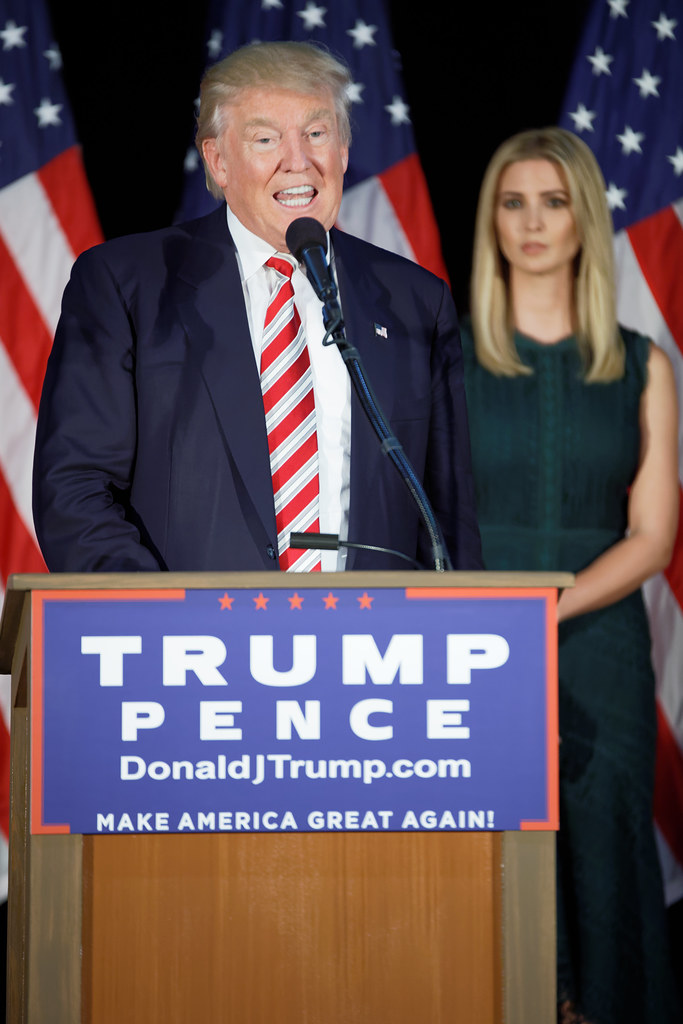
The United States midterm elections concluded with a decisive Democratic victory, reshaping the political landscape and signaling a significant shift in power. Democrats secured control of both the House of Representatives and the Senate, marking a historic rebuke of President Donald Trump's two-term administration. This outcome has led to widespread criticism of Trump's policies and his leadership style, with many attributing the loss to his controversial agenda and perceived mismanagement.
Trump, who had previously suggested he might launch further military action against Iran following the elections, instead acknowledged the results without expressing regret. He stated he was willing to accept the outcome and expressed a desire to work with Democrats. However, he also blamed the Republican losses on the fact that he was not on the ballot, a claim that has been widely disputed.
The election results have also prompted a backlash against Trump's foreign policy, particularly his handling of the Iran conflict. The US strike in the Strait of Hormuz, which occurred hours before the elections, has been scrutinized as a potential factor in the political fallout. Additionally, Trump's decision to halt $4 billion in annual aid to Israel and shift to arms sales has drawn criticism from both domestic and international observers.
The Democratic victory has been seen as a rejection of Trump's policies, with voters demanding a focus on economic affordability, government accountability, and social issues. The election outcome has also led to a reevaluation of US foreign policy, with many calling for a more cooperative approach in international relations. As the new Congress prepares to take office, the political landscape in the United States is set to undergo significant changes.