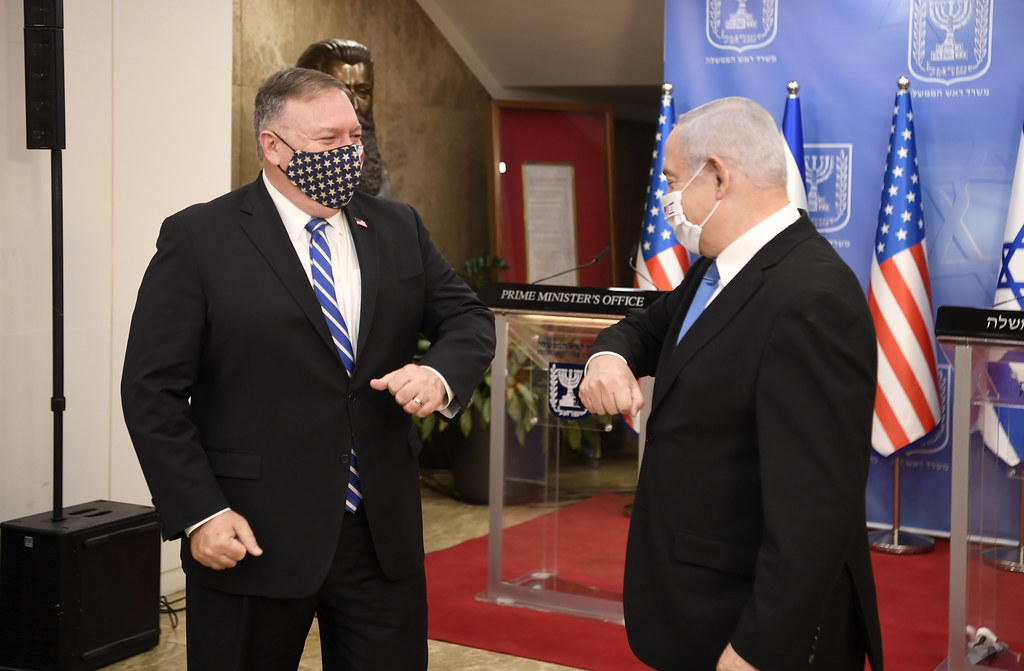
Israeli Prime Minister Benjamin Netanyahu has accused Arab parties of influencing the outcome of the country’s election, claiming the vote was “stolen” by them. The allegations come as Arab political groups have seen a significant rise in support, challenging the traditional dominance of right-wing parties. Netanyahu’s Likud party, which leads the current government, claims the election results were manipulated, citing unverified claims of foreign funding.
The Israeli national security minister, a far-right figure, has called for the arrest of Arab party leaders over these accusations, though the claims remain unproven. The Shin Bet intelligence agency is reportedly being urged to investigate based on these unverified allegations. Meanwhile, Arab parties have reported a surge in voter turnout, with some analysts suggesting they could become key decision-makers in the next government.
This shift in political power reflects growing tensions between Israel’s Jewish and Arab communities. Historically, Arab parties have been marginalized in Israeli politics, but recent elections have seen them gain visibility. Some Arab leaders are now seen as potential kingmakers, capable of influencing the fate of Prime Minister Netanyahu.
The situation has deepened the political deadlock in Israel, with the country still awaiting a clear majority. Arab parties are now positioned to play a critical role in determining the next government, marking a significant change in the nation’s political landscape. As the election results continue to be analyzed, the influence of Arab voices in Israeli politics is becoming increasingly undeniable.