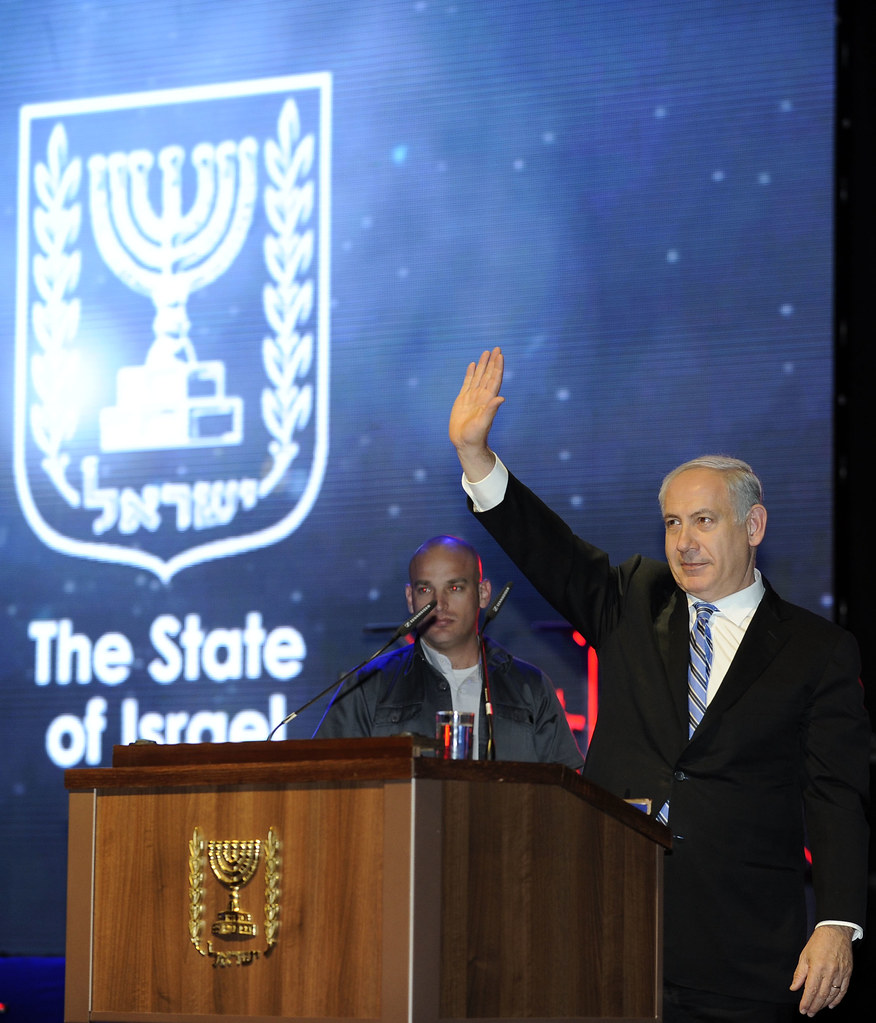
Israeli Prime Minister Benjamin Netanyahu’s bloc holds a narrow lead with 54 seats in the Knesset, according to partial election results, while his main rival Gadi Eisenkot’s opposition bloc trails with 49 seats. Arab parties secure 17 seats, according to exit polls. The outcome leaves no clear majority, forcing both sides to seek coalition partners to form a government.
Exit polls by public broadcaster Kan and commercial TV Channel 13 projected 53 seats for Eisenkot’s bloc against 50 for Netanyahu. However, final counts show Netanyahu’s bloc leading with 54 seats, Eisenkot’s with 49, and Arab parties with 17. The results reflect deep public dissatisfaction with Netanyahu’s leadership, with many voters expressing uncertainty about his future.
Netanyahu and Eisenkot both claim victory, despite the lack of a clear majority. Netanyahu’s bloc remains the largest, but forming a government will require securing additional support. Arab parties, which hold 17 seats, may play a crucial role in determining the outcome. Meanwhile, Gaza residents continue to watch the election, hoping for a change in leadership that could affect the ongoing conflict.
The election has intensified political tensions, with both sides vying for control. Netanyahu’s position is further complicated by external pressures, including concerns over Iran and regional stability. Analysts suggest the outcome could mark a turning point in Israeli politics, potentially ending Netanyahu’s long tenure. The next phase will depend on coalition negotiations, which remain uncertain.