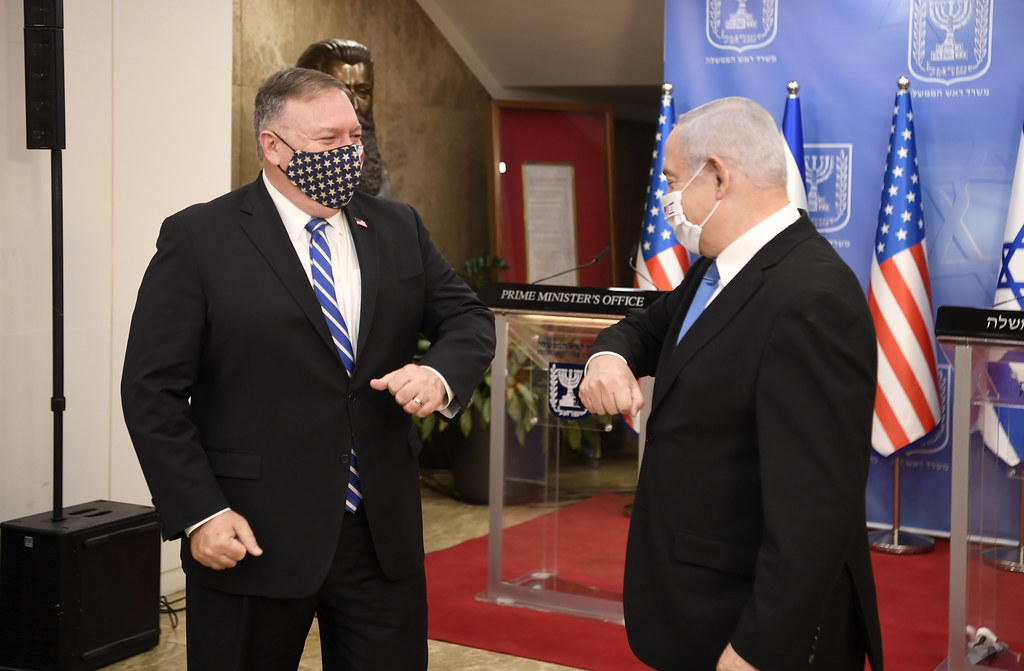
Israeli Prime Minister Benjamin Netanyahu's coalition faces a pivotal moment as the country prepares for national elections. The campaign period has seen heightened security measures in the West Bank, with Israeli forces sealing off areas and increasing military presence in Hebron. In Gaza, the situation remains tense, with restrictions tightened in response to the political developments.
The election, scheduled for late November, is expected to reshape the Israeli political landscape. Analysts suggest that while the outcome could lead to a shift in leadership, the government's stance on the Israeli-Palestinian conflict is likely to remain unchanged. Netanyahu's Likud party, which has long advocated for a hardline approach toward Palestine, continues to hold significant support, despite growing internal divisions within the party.
This political shift comes amid ongoing tensions in the region. The Israeli military has intensified operations in the West Bank, with reports of increased checkpoints and restricted movement for Palestinians. In Hebron, Israeli forces have emptied parts of the city, displacing residents and restricting access. These actions have drawn international criticism, with human rights organizations warning of escalating humanitarian concerns.
The election campaign has also seen increased rhetoric from both sides, with political leaders using the conflict as a key issue to mobilize support. While the focus remains on domestic politics, the implications for the Israeli-Palestinian conflict are significant. The outcome of the election could determine whether Israel continues its current policy of expansion and settlement, or whether a new government might pursue a different approach.
The situation remains fluid, with the potential for further escalation in the coming weeks. As the election nears, the balance of power in Israel could shift, but the broader geopolitical landscape remains unchanged.