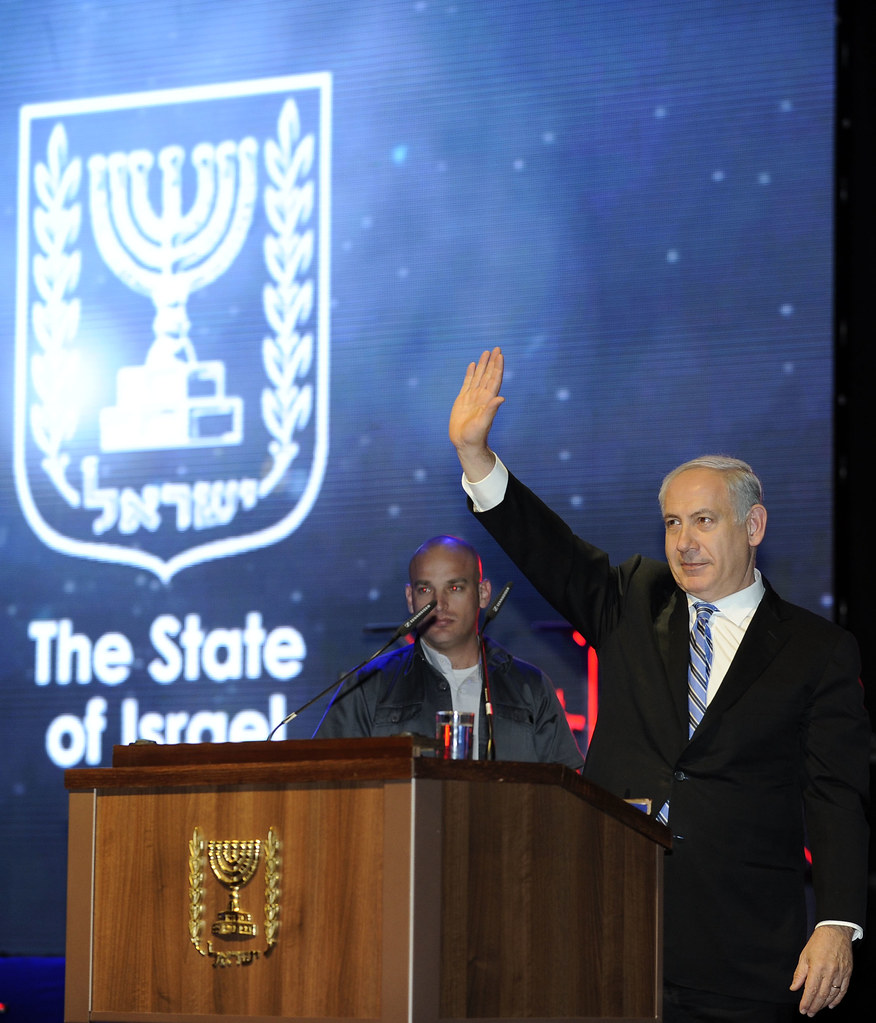
Israeli Prime Minister Benjamin Netanyahu's ruling coalition and his main rival are locked in a tight race, with exit polls showing a deadlock in the 120-member Knesset. The Iranian government has warned of potential economic consequences if Israel launches another attack, citing heightened tensions under Netanyahu's leadership.
Exit polls from Israeli television networks projected 51 seats for Netanyahu's bloc and 51 for his main rival, creating a parliamentary stalemate. Israeli opposition leader Gadi Eisenkot accused Netanyahu's government of a "complete lack of confidence," vowing to replace it. Meanwhile, Iran's foreign ministry expressed concerns over the potential for further conflict, emphasizing the economic risks of renewed hostilities.
The Israeli election, marked by high voter turnout, has become a pivotal moment for regional stability. Netanyahu, who has led the country for over a decade, faces pressure to form a coalition, with Arab-led parties potentially holding the balance of power. Analysts suggest that the outcome could mark the end of Netanyahu's long political dominance. The situation reflects ongoing tensions between Israel and Iran, with both sides closely monitoring the political developments in Jerusalem.