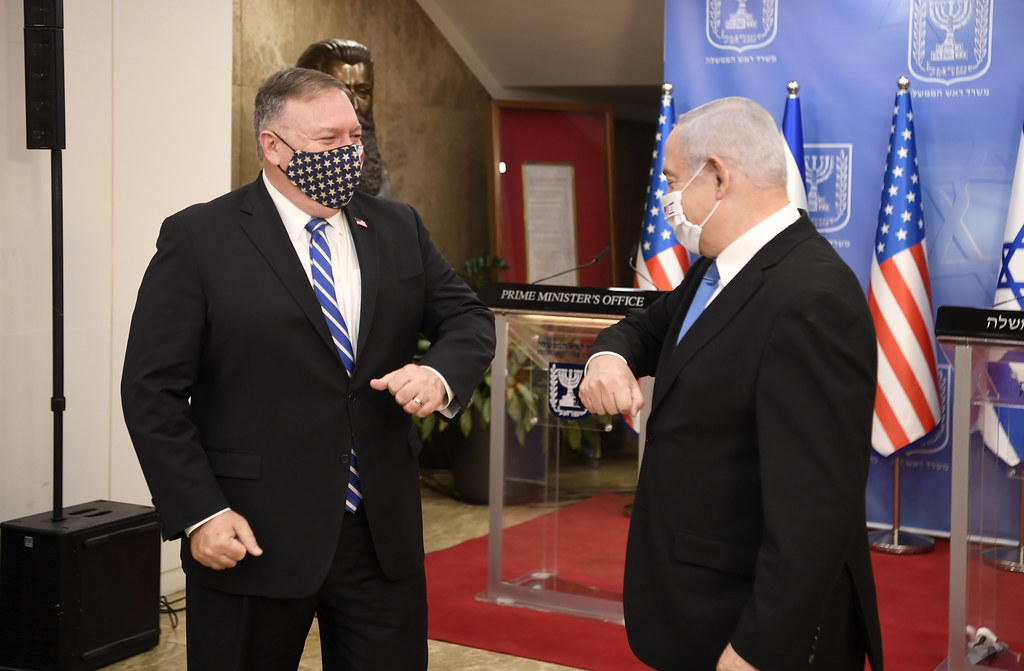
The Israeli general election on October 28, 2026, has intensified regional tensions, with implications for Middle East peace. The outcome, which saw no clear winner but Prime Minister Netanyahu maintaining a slight lead, has raised concerns about continued U.S.-Israeli military actions against Iran.
The election results have sparked fears of prolonged conflict, with some analysts warning that political deadlock in Israel could delay diplomatic efforts and increase the risk of war. The U.S. Has warned Gulf nations of potential Iran war escalation, citing the election as a factor in regional instability. Meanwhile, Pakistan has highlighted its Makkah Joint Defense Agreement as a key diplomatic tool in promoting regional peace.
The MJDA, signed by Pakistan, Saudi Arabia, and Türkiye in August 2026, is seen as a counterbalance to rising tensions. However, the Israeli election outcome has complicated diplomatic efforts, with Arab parties gaining influence and the prospect of renewed attacks on Iran looming. Analysts note that the election has not brought significant hope for a regional reset, as many Middle Eastern countries remain skeptical of meaningful change in Israel’s foreign policy.
The situation reflects a broader geopolitical landscape where regional alliances and military posturing continue to shape the Middle East’s future. With no immediate resolution in sight, the region remains under pressure, and the outcome of political negotiations will be crucial in determining the path forward.