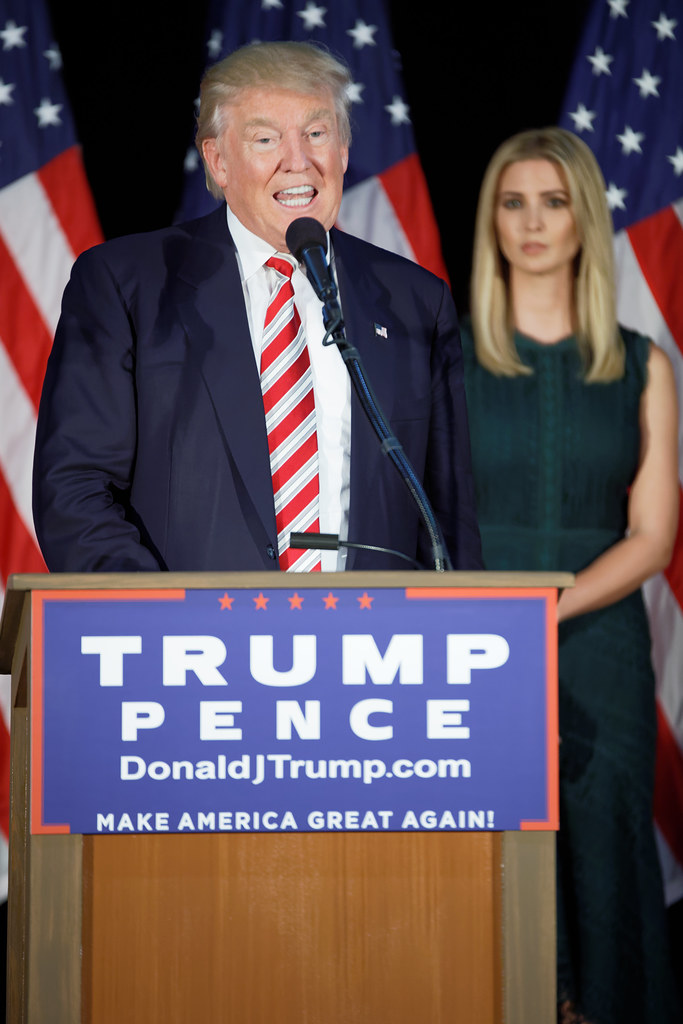
President Donald Trump announced he would not launch new attacks on Iran, signaling a shift toward diplomacy amid ongoing tensions. The U.S. Leader emphasized the need for dialogue, stating that military action was unlikely unless Tehran failed to reach a deal. This follows weeks of escalating hostilities that began on 28 February 2026.
Trump’s remarks came after a U.S. Strike on Qeshm Island in the Strait of Hormuz, which Iran condemned as part of a broader blockade. The administration has been under pressure to resolve the crisis, with no progress reported in nuclear negotiations. Iranian officials have demanded the lifting of sanctions and the end of the blockade before any talks can proceed.
The decision to avoid further strikes has led to a sharp drop in global crude oil prices, with markets reacting to the reduced threat of military escalation. However, the situation remains volatile, with regional leaders expressing concerns over the potential for renewed conflict. Trump’s focus on diplomacy marks a departure from previous military posturing, though the path forward remains unclear.
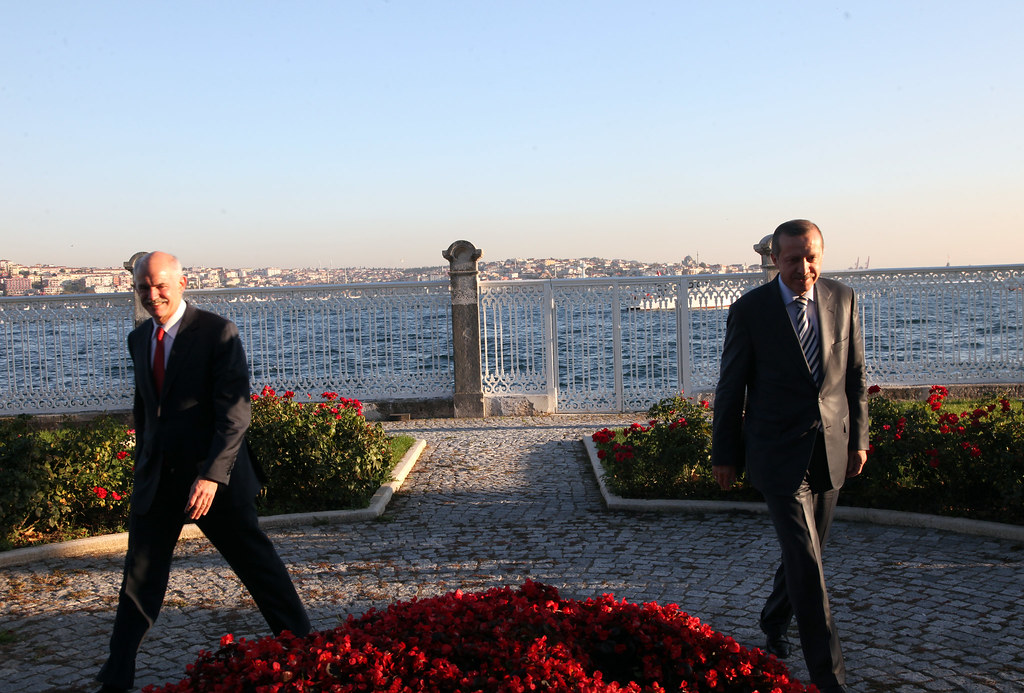
The ongoing conflict has tested international relations, with Turkey’s President Erdogan urging caution and emphasizing the importance of dialogue. Despite Trump’s public stance, the underlying tensions persist, highlighting the complex geopolitical landscape surrounding Iran.