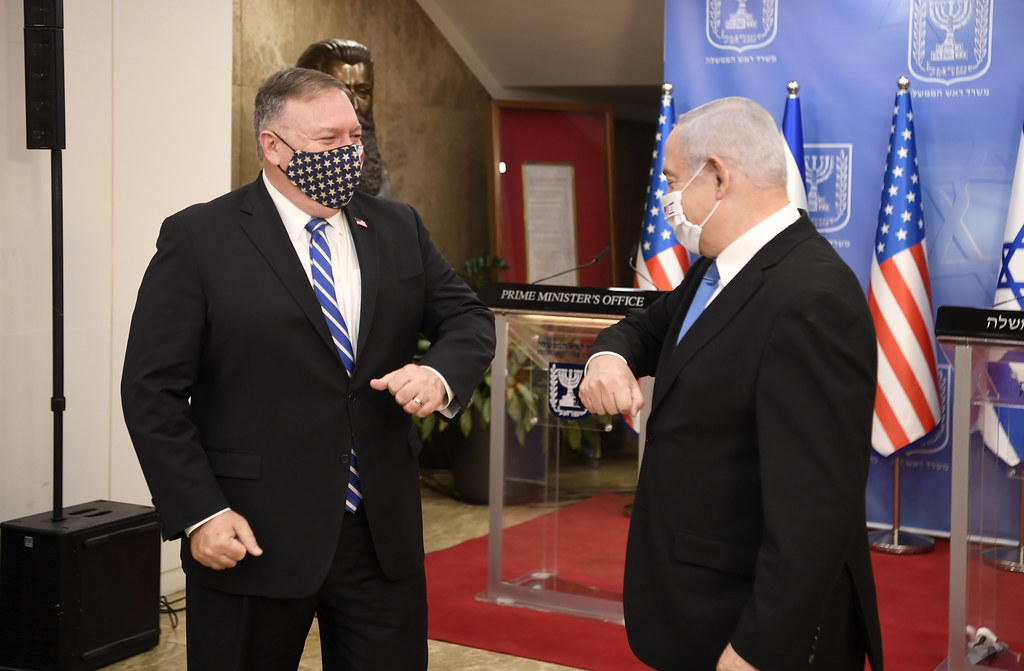
Arab parties in Israel have won a record 19 seats in the Knesset, positioning themselves as potential key players in the next government. However, their ability to translate this electoral success into political influence remains uncertain. The surge in voter turnout among Palestinian citizens of Israel has complicated the political landscape, making it harder for traditional blocs led by Prime Minister Benjamin Netanyahu and Gadi Eisenkot to secure a governing majority.
Exit polls initially suggested support for Eisenkot’s anti-Netanyahu bloc, but the final results show no single party or coalition has achieved a clear majority. This has led to ongoing negotiations among opposition politicians to form a coalition. Meanwhile, Netanyahu has accused Arab-led parties of election fraud, further complicating the political environment.
The October 7, 2023, attack on Israel has shifted public sentiment, making many Jewish Israelis more resistant to cooperation with Arab parties. This has created a political climate where Arab parties, despite their increased representation, may be excluded from government formation. Internal security agencies are also investigating whether foreign entities, including Qatar and Turkey, influenced the Arab vote through campaign funding.
The situation highlights the growing political tensions between Arab and Jewish communities in Israel. While Arab parties have gained significant electoral traction, their role in shaping the future government remains unclear. The upcoming coalition talks will determine whether their influence translates into real political power.